Adoniram Judson

Biographical details

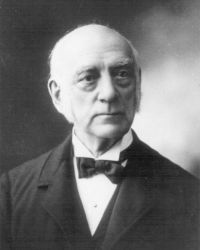
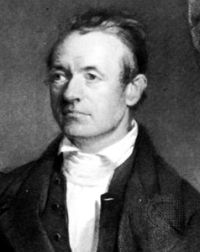
Portrait of Adoniram Judson Adoniram Judson,  Grammar of the Burmese Language (1883)

“ Reduplicative derivatives are formed from nouns of one syllable, by prefixing အ to the noun reduplicated, or from nouns of two syllables, the first being a syllabic အ, by dropping the အ in the second number of the reduplication; and such derivations imply generality or universality; thus from ပြည် a country, is formed အပြည်​ပြည်​တို့ (with the plural affix) , many or all countries; and for အမျိုး, a race, အမျိုး​မျိုး​တို့ many or all races. ”
Source: Wikisource

Portrait of Adoniram Judson Adoniram Judson,  Grammatical Notices of the Burmese Language (1842)

“ Adjectives are of three kinds, pronominal, verbal, and numeral.
Adjectives of either kind are prefixed to their nouns, by means of the connective သည် or သော, if singular, and the same, or ကုန်​သည် or ကုန်​သော, if plural, or directly affixed. But to this general rule; there are several exceptions, particularly in the pronominals.
An adjective and noun, united in either way, form a compound word, which admits the plural affix, and the affixes of case, the same as a simple noun.
”
Source: Wikisource

Portrait of Adoniram Judson Adoniram Judson,  Grammatical Notices of the Burmese Language (1842)

“ The vowel အ has no symbol, being understood after every consonant, that is not furnished with the symbol of another vowel, or made final in the syllable. See Final Consonants.
The second symbol of the vowel အာ is used, whenever the use of the first would convert the consonant into another letter,—also with ခ and င.
The symbols of the vowels ဣ and ဥ, when united and combined with a consonant, have the power of o, as in note; thus ကို, ko. If they close a syllable, ဝ် may optionally follow, without occasioning any change in the pronunciation, thus ကို and ကိုဝ် are equivalent.
”
Source: Wikisource

Get perspective with Kwize: daily news enlightened by great literature