Affix

Definition and stakes

Denis Alphonsus Quinn,  Stenotypy: Or, Shorthand by the Typewriter (1895)

“ The figures 8 and 9 follow the same rule. p8 (pate) ; qI9 (quinine) , whilst they, in common with the other figures and punctuation marks, stand for the affixes placed opposite them in the alphabet or key. If there is no space before or after the the figure or stop, you know it is used for an affix. cp7F (capable of) . Here, the figure 7 meaning able, ment) , having no space to left or right, is used as an affix. When used as a prefix, it must have one space to left. ”
Source: Wikisource

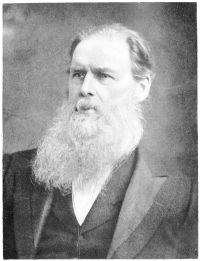
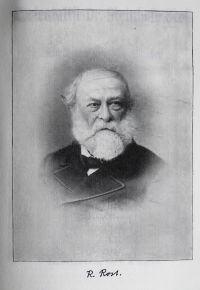
Portrait of Reinhold Rost Reinhold Rost,  1911 Encyclopædia Britannica (1911)

“ There is, besides, a general oblique affix in, which is not only frequently used for the genitive, but may be inserted before any of the above affixes, to some of which the emphatic particle ê may also be superadded. In the old poetry there is a still greater variety of affixes, while there is an option of dispensing with all. Adjectives, when attributive, precede the noun and are unchangeable; when predicative they follow it and receive verbal affixes. The pronouns of the 1st person are sing. ”
Source: Wikisource

Get perspective with Kwize: daily news enlightened by great literature