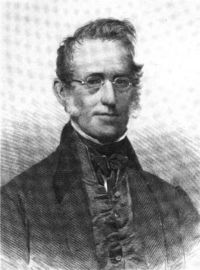
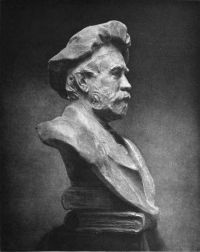
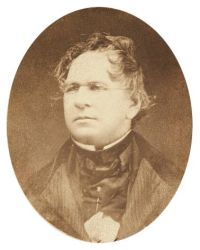
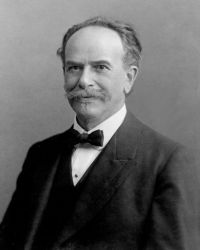
Lexicography, the study of a language's vocabulary and the practice of compiling dictionaries, includes both practical and theoretical aspects. Practical lexicography focuses on producing reference works, while theoretical lexicography examines lexical structures and user requirements. Authors such as Samuel Johnson emphasized the relationship between words and ideas, stating that "words are the daughters of earth," while Sir James Murray underscored the development of lexicography within historical and educational frameworks.
Goold Brown differentiated lexicography's role in clarifying word meanings from grammar's emphasis on structure. These viewpoints highlight lexicography as a field that balances tradition, accuracy, and the changing demands of language users, progressing from early word lists to modern digital lexicons.