Passive participle

Definition and stakes

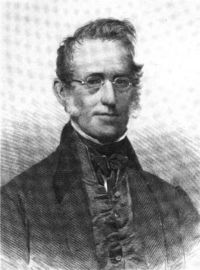
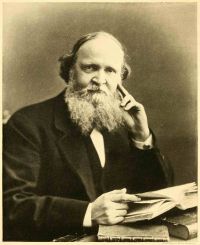
Portrait of Charles Eliot Charles Eliot,  A Finnish Grammar

“ If the predicate of the subordinate sentence in the expanded form is a passive verb, the passive participle can be used in the genitive singular. The subject of such a proposition is always in the partitive. As a rule only part. I passive is used in the genitive, part. II being generally in the translative according to the construction mentioned above. ”
Source: Gutenberg

Benjamin L. D'Ooge,  Latin for Beginners

“ The verb pugnō in Latin is intransitive, and so does not have a personal subject in the passive. A verb with an indeterminate subject, designated in English by it, is called impersonal. LESSON XXXV THE PASSIVE PERFECTS OF THE INDICATIVE · THE PERFECT PASSIVE AND FUTURE ACTIVE INFINITIVE 201. The fourth and last of the principal parts (§ 183) is the perfect passive participle. From it we get the participial stem on which are formed the future active infinitive and all the passive perfects.
1. Learn the following principal parts, which are for the first time given in full:
2.
”
Source: Gutenberg

Get perspective with Kwize: daily news enlightened by great literature