Summary

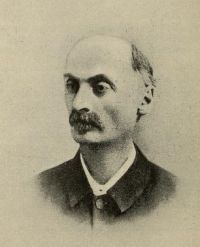
Portrait of A. H. Sayce A. H. Sayce A Primer of Assyriology

First-born, omnipotent, whose heart is immensity, and there is none who may fathom it!...
In heaven, who is supreme? Thou alone, thou art supreme!
On earth, who is supreme? Thou alone, thou art supreme!'
So, again, Nebuchadrezzar prays as follows to Bel-Merodach:—
'O prince, thou art from everlasting, lord of all that exists, for the king whom thou lovest, whom thou callest by name, as it seems good to thee, thou guidest his name aright, thou watchest over him in the path of righteousness.
Source: Gutenberg

Portrait of A. H. Sayce A. H. Sayce A Primer of Assyriology

It needed a Nebuchadrezzar to make Babylonia once more a conquering power. But Babylon itself remained the sacred city of the cultured nations of Asia. Its old prestige and hallowed associations clung to it, and it became what Rome was to mediaeval Europe. An Assyrian king, however powerful he might be, could not claim the imperial title until he had 'taken the hands of Bel' and thereby been adopted as a son by the god of Babylon. Indeed it was only in this way that usurpers like Tiglath-pileser III and Sargon obtained any recognition of their legitimate right to the throne.
Source: Gutenberg

Portrait of A. H. Sayce A. H. Sayce A Primer of Assyriology

Assur, too, admitted no rival at his side: wifeless and childless he stood alone. Once or twice, indeed, an Assyrian scribe ascribes to him a wife or a child, but this is in imitation of Babylonian usage and the belief never took root in Assyria.
Bel-Merodach, on the contrary, was a god of mercy. He is 'the merciful one' who hearkens to those that call upon him and who 'raises the dead to life' through trust in his power. Belat, or Beltis, 'the lady,' stood at his side, a reflection of himself, and the gods were his children who recognized him as their father and creator.
Source: Gutenberg

Get perspective with Kwize: daily news enlightened by great literature