Cuneiform

Definition and stakes

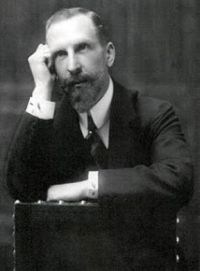
Portrait of A. H. Sayce A. H. Sayce,  The archæology of the cuneiform inscriptions (1908)

“ No more cuneiform tablets are met with, and but few Egyptian scarabs; the pottery is different, and the “high place” has disappeared. The bowl and lamp, indeed, are still buried under the walls of the newly-built house, but the bones of sacrificed children which they once contained are replaced by sand. As the Israelitish [159] power increased the old Babylonian influence necessarily lessened. When the cuneiform syllabary finally made way for the so-called Phœnician alphabet is still uncertain, but it was at all events before the days of Solomon. ”

Source: Gutenberg

Portrait of A. H. Sayce A. H. Sayce,  The archæology of the cuneiform inscriptions (1908)

“ The [68] idea of the rise of a civilization outside the limits of the white race was regarded as a paradox.
It was just this paradox to which the first decipherers of Assyrian cuneiform found themselves forced. And another paradox was added to it. Not only had the civilization of the Euphrates and Tigris originated amongst a race that spoke an agglutinative language, and therefore was neither Aryan nor Semitic, the civilization of the Semitic Babylonians and Assyrians was borrowed from this older civilization along with the cuneiform system of writing.
”
Source: Gutenberg

Get perspective with Kwize: daily news enlightened by great literature