Summary

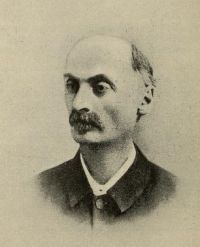
Portrait of A. H. Sayce A. H. Sayce Patriarchal Palestine

We have already learned from the annals of Thothmes III. how high was the state of civilization and culture among the merchant princes of Canaan in the age of the eighteenth Egyptian dynasty. Artistically finished vases of gold and silver, rich bronzes, furniture carved out of ebony and cedar, and inlaid with ivory and precious stones—such were some of the manufactures of the land of Palestine. Iron was excavated from its hills and wrought into armour, into chariots, and into weapons of war; while beautifully shaped vessels of variegated glass were manufactured on the coast.
Source: Gutenberg

Portrait of A. H. Sayce A. H. Sayce Patriarchal Palestine

Thy soul is given into thy hands. Thy path is full of rocks and boulders, there is no outlet near, it is overgrown with creepers and wolf's-bane. The precipice is on one side of thee, the mountain and the wall of rock on the other. Thou drivest in against it. The chariot jumps on which thou art. Thou art troubled to hold up thy horses. If it falls down the precipice, the pole drags thee down too.
Source: Gutenberg

Portrait of A. H. Sayce A. H. Sayce Patriarchal Palestine

With the Arabian desert on the one side and the Mediterranean on the other, it was impossible for Canaan to develop into a great state. Its rocks and mountains might produce a race of hardy warriors and energetic thinkers, but they could not create a rich and populous community. The Phoenicians on the coast were driven towards the sea, and had to seek in maritime enterprise the food and wealth which their own land refused to grant. Palestine was essentially formed to be the appropriator and carrier of the ideas and culture of others, not to be itself their origin and creator.
Source: Gutenberg

Get perspective with Kwize: daily news enlightened by great literature