Hittites

Definition and stakes

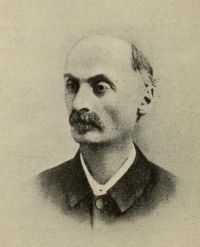
Portrait of Archibald Henry Sayce Archibald Henry Sayce,  The Hittites (1890)

“ The Hittites were a people with yellow skins and 'Mongoloid' features, whose receding foreheads, oblique eyes, and protruding upper jaws, are represented as faithfully on their own monuments as they are on those of Egypt, so that we cannot accuse the Egyptian artists of caricaturing their enemies. If the Egyptians have made the Hittites ugly, it was because they were so in reality. The Amorites, on the contrary, were a tall and handsome people. ”
Source: Wikisource

Portrait of Archibald Henry Sayce Archibald Henry Sayce,  The Hittites (1890)

“ But while the art of the Hittites was essentially Babylonian in origin, it was profoundly modified in the hands of the Hittite artists. The deities, indeed, were made to ride on the backs of animals, as upon Babylonian cylinders, the walls of the palaces were adorned with long rows of bas-reliefs, as in Chaldæa and Assyria, and there was the same tendency to arrange animals face to face in heraldic style ”
Source: Wikisource

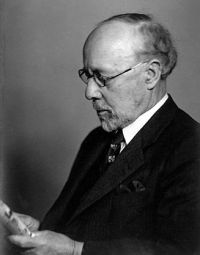
Portrait of John Garstang John Garstang,  The land of the Hittites (1910)

“ In trying to work out the story of the decline and fall of the Hittite power, we are faced with the same difficulty that enshrouded the whole problem of the Hittites until recent discoveries shed the light of [54] internal documentary evidence upon the period of their empire—namely, that for the most part only the events connected with certain of their frontier lands came at all within the horizon of the Assyrian and the Greek historians, and these are seen by us with relative disproportion. ”
Source: Gutenberg

Get perspective with Kwize: daily news enlightened by great literature