Phrygia

Definition and stakes

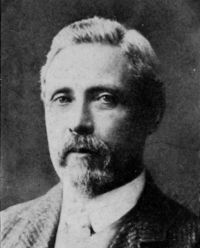
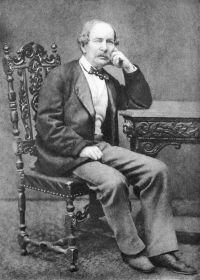
Portrait of John Lemprière John Lemprière,  A classical dictionary (1904)

“ Phrygia, a country of Asia Minor, generally divided into Phrygia Major and Minor. Its boundaries are not properly or accurately defined by ancient authors, though it appears that it was situate between Bithynia, Lydia, Cappadocia and Caria. It received its name from the Bryges, a nation of Thrace, or Macedonia, who came to settle there, and from their name, by corruption, arose the word Phrygia. Cybele was the chief deity of the country, and her festivals were observed with the greatest solemnity. The most remarkable towns, besides Troy, were Laodice, Hierapolis, and Synnada. ”
Source: Gutenberg

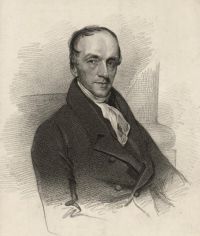
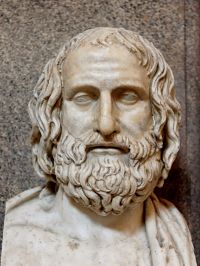
Portrait of Euripides Euripides,  The Tragedies of Euripides — Orestes (1898)

“ Phrygian.
Everywhere shall wise men better love to cling to life than die.
Orestes.
Didst thou not to Menelaus shout the rescue-cry but now?⁠1510
Phrygian.
Nay, O nay!—but for thine helping cried I:—worthier art thou.
Orestes.
Answer—did the child of Tyndareus by righteous sentence fall?
Phrygian.
Righteous—wholly righteous—though she had three throats to die withal.
Orestes.
Dastard, 'tis thy tongue but truckles: in thine heart thou think'st not so.
Phrygian.
Should she not, who Hellas laid, and Phrygia's folk, in ruin low?⁠1515
Orestes.
”
Source: Wikisource

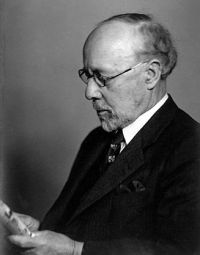
Portrait of James George Frazer James George Frazer,  The Golden Bough: A Study of Magic and Religion

“ It is hardly necessary to add that in Phrygia, as in Europe, the old barbarous custom of killing a man on the harvest-field or the threshing-floor had doubtless passed into a mere pretence long before the classical era, and was probably regarded by the reapers and threshers themselves as no more than a rough jest which the license of a harvest-home permitted them to play off on a passing stranger, a comrade, or even on their master himself. ”
Source: Gutenberg

Get perspective with Kwize: daily news enlightened by great literature