Frigg

Definition and stakes

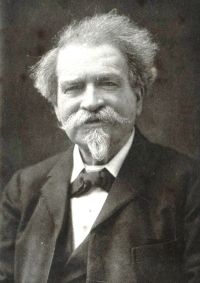
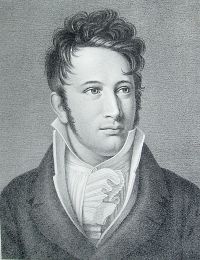
Portrait of X.-B. Saintine X.-B. Saintine,  Myths of the Rhine

“ Frigg was unwilling to trust any one but herself with the effort to realize such hopes. Once more she went over the world, gathering around her all the races of men, one after the other, and as she mentioned the name of Balder, tears flowed from all eyes.
For three months she visited all the forests and all the mountains, the seas and the lakes and the animals that live in the waters and the mountains; and seas and lakes and mountains wept. She went even to the abode of the giants, the enemies of the gods, and her grief made the giants also weep; every tree wept and every rock wept.
”
Source: Gutenberg

Sir William A. Craigie,  The Religion of Ancient Scandinavia

“ We have already seen that when the days of the week received their Germanic names it was Frigg who was equated with the Roman Venus; but in the Scandinavian mythology it is Freyja, not Frigg, who is the goddess of love. Snorri describes Freyja as riding in a chariot drawn by two cats, 'and wheresoever she rides to battle, she has half the slain and Odin the other half.' This association of Freyja with Odin, which seems to imply that Frigg was almost on the point of being displaced by a rival goddess, also appears in the verse for which Hjalti Skeggjason was found guilty of blasphemy. ”
Source: Gutenberg

Get perspective with Kwize: daily news enlightened by great literature