Theophrastus

Definition and stakes

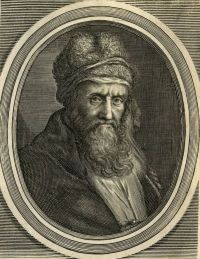
Portrait of Theophrastus Theophrastus The Characters of Theophrastus

The foregoing are but illustrations of the happy skill with which Theophrastus has delineated a number of character-types which are as universal as human nature and know no limits of age or of country. Here and there we meet a type in the Greek for which we have no exact counterpart in our customary modern modes of thought. Such a type may be seen in Theophrastus’s “The Disagreeable Man,” a person who seems a sort of general nuisance with a touch of the bore and the braggart.
Source: Gutenberg

Portrait of Theophrastus Theophrastus The Characters of Theophrastus

It is of too slight a nature in itself to make a serious impression [xli] on any literary epoch. It suited, however, the temper of the seventeenth century, as the sprightly essay possessing no serious depth and aiming to touch life at many points. The chief imitators of Theophrastus and exponents of character-writing at this time were Bishop Hall, Bishop Earle, Sir Thomas Overbury, Nicholas Breton, Samuel Butler, and La Bruyère. Bishop Hall, contrary to the example of Theophrastus, includes virtues as well as vices in his book entitled Characters of Vertues and Vices (London, 1608) .
Source: Gutenberg

Portrait of Theophrastus Theophrastus The Characters of Theophrastus

In regard to the literary art of Theophrastus, as exhibited in these sketches, it must be looked at from the standpoint of an innovation in Greek letters; it is rare that any man both begins and perfects an art. There is nothing in the world so interesting as a character, but there is also nothing that is so difficult to portray briefly. Theophrastus was an acute observer and he was a plain realist.
Source: Gutenberg

Get perspective with Kwize: daily news enlightened by great literature