Summary

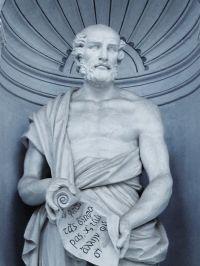
Portrait of Theophrastus Theophrastus The Characters of Theophrastus

Moral folly is much the same everywhere; it is only the fool’s costume that changes in different countries. The folly of the miser is seen in his cheating himself of the real goods of life and in robbing himself of the respect of his fellows; the folly of the coward, in gaining personal safety by losing reputation for manliness; the folly of the flatterer, in his shallow self-serving which men see through, while they nudge their fellows and laugh at his weakness
Source: Gutenberg

Portrait of Theophrastus Theophrastus The Characters of Theophrastus

As he passes by the consecrated stones at the cross-roads, he pours oil on them from his flask, falls on his knees, and prays before he goes further. If a mouse should gnaw through a leather flour-bag, he goes to the seer and asks what he shall do. If the seer bids him give the bag to the cobbler to be sewn up, he pays no heed to him, but goes his way and offers up the bag as a holy sacrifice.
He is given to purifying his house often by religious rites and insists it is haunted by Hecate. When he takes a walk and hears an owl hoot, he is terrified and cries out: “Athena! thine is the power!”
Source: Gutenberg

Portrait of Theophrastus Theophrastus The Characters of Theophrastus

Impudence is easy to define; it is conduct that is obtrusively offensive. The impudent man is one who, on meeting respectable women in the street, insults them as he passes. At a play, he claps his hands after all the rest have stopped, and hisses the players when others wish to watch in silence. When the theatre is still, he suddenly stands up and disgorges, to make the audience look around. When the market-place is crowded, he steps up to the stalls where nuts, myrtle-berries, or fruits are for sale, and begins to pick at them as he talks to the merchant
Source: Gutenberg

Get perspective with Kwize: daily news enlightened by great literature