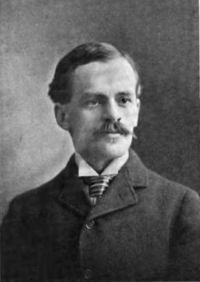
Human behavior includes the observable actions and reactions of individuals and groups to internal and external stimuli, influenced by genetic, environmental, psychological, and cultural factors. Scholars like E. W. Burgess focused on its complex processes, while William Isaac Thomas connected it to human experience in literature and drama.
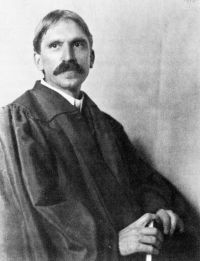
John Dewey emphasized the impact of social interactions on the development of habits, and Samuel R. Wells viewed behavior as a skill that can be learned, grounded in empathy and self-regulation. These viewpoints together highlight the diverse nature of human conduct, showing how personal characteristics, social standards, and environmental settings interact to influence actions across different times and cultures.