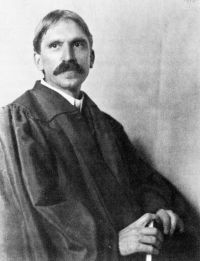
An attitude is a psychological construct that reflects a person’s evaluative stance toward an object, formed through beliefs, emotions, and behavioral inclinations. It functions as a cognitive framework that shapes perception, judgment, and action, with its intensity and stability differing depending on the context. Scholars such as William Isaac Thomas viewed attitudes as influenced by temperament and social definitions, while John Dewey associated them with the breadth of human activities.
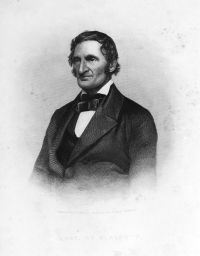
Robert Rainy examined attitudes as crucial for managing life’s challenges, and Theodore Dwight Weld emphasized their expression through gestures and facial expressions. These viewpoints illustrate attitudes as a dynamic interaction between internal dispositions and external factors, embodying both personal experience and shared societal norms.
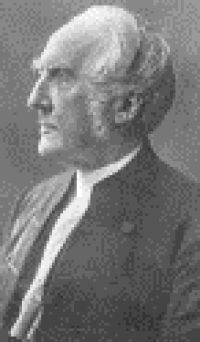 Robert Rainy,
The Expositor's Bible: The Epistle to the Philippians
Robert Rainy,
The Expositor's Bible: The Epistle to the Philippians