Phrygians

Definition and stakes

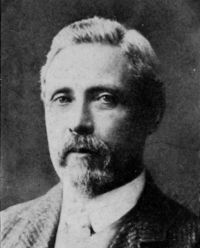
Portrait of George Grote George Grote,  History of Greece, Volume 03 (of 12…

“ It appears that the name Phrygians, like that of Thracians, was a generic designation, and comprehended tribes or separate communities who had also specific names of their own. We trace Phrygians at wide distances: on the western bank of the river Halys,—at Kelænæ, in the interior of Asia Minor, towards the rise of the river Mæander,—and on the coast of the Propontis near Kios;—in both of these latter localities there is a salt lake called Askanius, which is the name both of the leader of the Phrygian allies of Troy, and of the country from whence they are said to come, in the Iliad. ”
Source: Gutenberg

Portrait of William Mitchell Ramsay William Mitchell Ramsay,  1911 Encyclopædia Britannica (1911)

“ According to unvarying Greek tradition the Phrygians were most closely akin to certain tribes of Macedonia and Thrace, and their near relationship to the Hellenic stock is proved by all that is known of their language and art, and is accepted by almost every modern authority. The country named Phrygia in the better known period of history lies inland, separated from the sea by Paphlagonia, Bithynia, Mysia and Lydia. ”
Source: Wikisource

Portrait of William Mitchell Ramsay William Mitchell Ramsay,  1911 Encyclopædia Britannica (1911)

“ According to Greek tradition there existed in early time a Phrygian kingdom in the Sangarius valley, ruled by kings among whom the names Gordius and Midas were common. It was known to the ancient Greeks of Ionia and the Troad as something great and half-divine. When the goddess appeared to her favourite Anchises she represented herself as daughter of the king of Phrygia; the Phrygians were said to be the oldest people, and their language the original speech of mankind ”
Source: Wikisource

Get perspective with Kwize: daily news enlightened by great literature