“ Silenus. Nameless and noteless, you! Endymion, this? Never! I saw Endymion long ago Before the stars were tarnished: with his crook Sloped in his hand he wandered down a hill; The night shone round him: this youth is not he. Men are not made so now, though this is one Who may remind me of the elder time. But you, most lovely lady, seem to me The very image of the golden age. Glaucus. My daughter! Silenus. She is Ariadne now, For I am Bacchus. Fill my cup again; If I cease drinking I grow melancholy. ”
Silenus
Definition and stakes
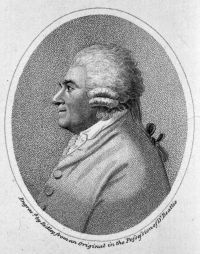
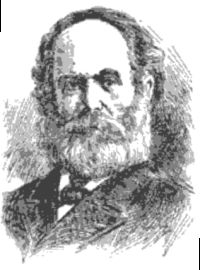
Silenus, a figure from Greek mythology, is traditionally depicted as a companion of Bacchus/Dionysus, often portrayed as a jolly, pot-bellied satyr associated with wine, mirth, and rustic festivity. Authors such as James Beattie and William Cleaver Wilkinson examined his symbolic role, connecting him to poetic tradition and satirical art, while dramatic passages present him as a mentor figure involved in themes of identity and metamorphosis.
In plays, Silenus participates in clever exchanges with characters like Glaucus, probing mortality and self-image, while his representation in Athenian drama highlights his function as a medium for satirical and mythic storytelling. These diverse portrayals collectively position Silenus as a liminal figure, linking the humorous and the profound within literary and cultural narratives.
Quotes about “Silenus”
“ Silenus. I hear no sound. Scaramouch. A sort of tinkling. Silenus. O Hecate! it is the silver cymbals. Scaramouch. What cymbals? Silenus. Listen. Glaucus [aside] . The old wine-skin's going to faint. Silenus. He comes! he comes! great Bacchus comes! My heart! Now, foolish creatures, will you see a god. But me, alas! what punishment for me? Some wine! ”
“ Glaucus. Ah! great Bacchus, I seem, now, to remember with what reverence I regarded your godliness: it is the first hint my consciousness supplies of my identity. Will your great highness tell me more of myself? Silenus. I will, Silenus. Thou art one of those whom the bulk of gods and men pity: but thou art not truly pitiable. It is certain that thou art not a respectable immortal, for thou keepest late hours, and dost allow thy company to choose itself. I hear that thou art, or would'st be, perennially drunk: thou seemest to have as many stomachs as a cow, and art as bald as a vulture ”