“ It was the day of the feast of Bacchus, and through the woods poured Bacchus and his Bacchantes, a shameless rout, satyrs capering around them, centaurs neighing aloud. Long had the Bacchantes hated the loyal poet-lover of one fair woman whose dwelling was with the Shades. His ears were ever deaf to their passionate voices, his eyes blind to their passionate loveliness as they danced through the green trees, a riot of colour, of fierce beauty, of laughter and of mad song. Mad they were indeed this day, and in their madness the very existence of Orpheus was a thing not to be borne. ”
Bacchus
Definition and stakes
Bacchus, the Roman deity of wine, revelry, and fertility (corresponding to the Greek Dionysus), represents the opposing forces of ecstatic celebration and chaotic change. Writers have long examined his mythological and symbolic significance, from Jean Lang’s vivid portrayal of his frenzied devotees in A Book of Myths to Alfred Noyes’ lighthearted, nearly satirical depiction in Collected Poems.
Louie M. Bell traces Bacchus’s divine beginnings, while John Dryden’s poetic homage in The Golden Treasury elevates him as an enduring emblem of joy. Desiderius Erasmus, on the other hand, critiques his image as a symbol of folly in In Praise of Folly. These diverse perspectives highlight Bacchus’s lasting role as both a source of human rapture and a reflection of societal tensions.
Quotes about “Bacchus”
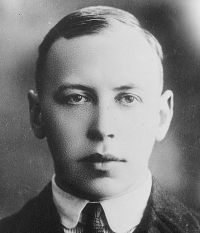 Alfred Noyes,
Collected Poems: Volume Two
Alfred Noyes,
Collected Poems: Volume Two
“ Over the seas they came and laid their little white hands on the old black barque; And Bacchus he ups and he steps aboard: "Hi, stop!" cries Hook, "you frantic old boozer! Belay, below there, don't you go and leave poor pirates to die in the dark!" And the moon went round, and the stars went round, As they all pushed off and sung: Half a hundred ribbonless Bacchanals When the world was young! Over the seas they went and Bacchus he stands, with his yellow-eyed leopards beside him, High on the poop of rose and pearl, and kisses his hand to us, pleasant as pie! ”
Theodore P. Wilson, True to his Colours
“ On either side of the entrance-hall, and just under the archway, was a plaster-of-Paris figure, nearly as large as life—that on the right-hand being a representation of Bacchus, and that on the left of a nymph dancing. But the female image had long since lost its head, and also one of its arms—the latter being still in existence, but being hung for convenience’ sake through the raised arm of Bacchus, making him look like one of those Hindu idols which are preposterously figured with a number of superfluous limbs. ”



Related terms
Authors who wrote about “Bacchus”
by Thomas TaylorEdward Edwin FootLouie M. Bell OvidVarious
 Thomas BulfinchEmilie K. Baker
 Alfred John ChurchT. L. HainesSamuel James Arnold
 Isaac NewtonBaron John Francis Arundell Arundell of Wardour
 John Dryden
 Ebenezer Cobham Brewer
 Horace
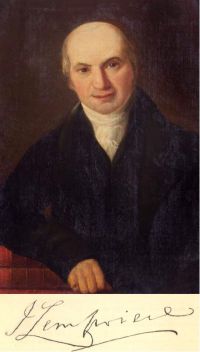 John Lemprière
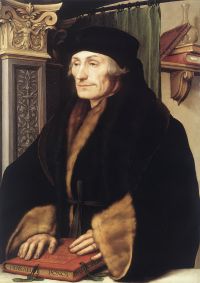 Desiderius Erasmus
 Hesiod
 Isaac Disraeli
 François Rabelais
OvidVariousThomas BulfinchEmilie K. BakerAlfred John ChurchT. L. HainesSamuel James ArnoldIsaac NewtonBaron John Francis Arundell Arundell of WardourJohn DrydenEbenezer Cobham BrewerHoraceJohn LemprièreDesiderius ErasmusHesiodIsaac DisraeliFrançois Rabelais