“ The envious, the choleric, the indolent, the slave to wine, to women—none is so savage that he can not be tamed, if he will only lend a patient ear to discipline.It is virtue, to fly vice; and the highest wisdom, to have lived free from folly. You see with what toil of mind and body you avoid those things which you believe to be the greatest evils, a small fortune and a shameful repulse. An active merchant, you run to the remotest Indies, fleeing poverty through sea, through rocks, through flames. ”
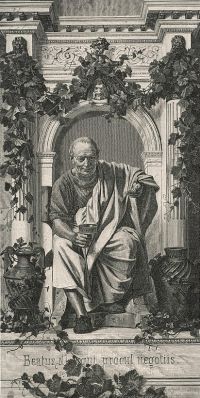
Horace
Summary
"The Works of Horace," a collection of poems by the Roman poet Horace, reflects the cultural and intellectual atmosphere of Augustan Rome, influenced by his patron Mæcenas and the period's admiration for classical tradition. Themes of poetic excellence, the contrast between city and country life, and the quest for personal fulfillment through restraint and humor run throughout the text, along with reflections on divine powers, the muse, and the impermanence of human achievements.
Horace’s verses, often infused with irony and self-awareness, explore the intricacies of honor, wine, and the poet's place in society, while his detailed portrayals of country estates and social practices ground his thoughts in concrete Roman experiences. The work combines philosophical reflection with lyrical grace, presenting life’s difficulties as chances for insight and strength.
Quotes from The Works of Horace (Horace)
“ At Rome, you long for the country; when you are in the country, fickle, you extol the absent city to the skies. If haply you are invited out nowhere to supper, you praise your quiet dish of vegetables; and as if you ever go abroad upon compulsion, you think yourself so happy, and do so hug yourself, that you are obliged to drink out nowhere. Should Mæcenas lay his commands on you to come late, at the first lighting up of the lamps, as his guest; ‘Will nobody bring the oil with more expedition? Does any body hear?’ You stutter with a mighty bellowing, and storm with rage. ”
“ Nor ivory, nor a fretted ceiling adorned with gold, glitters in my house: no Hymettian beams rest upon pillars cut out of the extreme parts of Africa; nor, a pretended heir, have I possessed myself of the palace of Attalus, nor do ladies, my dependants, spin Laconian purple for my use. But integrity, and a liberal vein of genius, are mine: and the man of fortune makes his court to me, who am but poor. I importune the gods no further, nor do I require of my friend in power any larger enjoyments, sufficiently happy with my Sabine farm alone. ”
