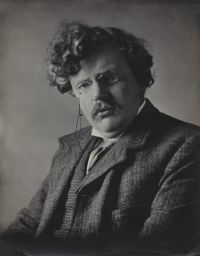
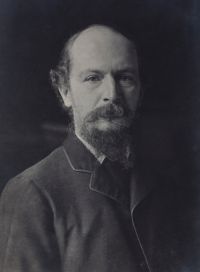
James Thomson

Biographical details

James Thomson,  Shelley, a poem, with other writings relating to Shelley… (1884)

“ Were the most of us born deaf, we should reprobate as obscure and mystical those gifted men who dilated upon the ravishment of music. And to the ideal or spiritual harmonies, perfect and eternal, to whose rhythm and melody the universe is attuned, so that it is fitly named Cosmos,—to these we are most of us deaf; and whoever with reverence and love and rapture is devoted to their celebration—be it Plato or Swedenborg, Emerson or Shelley—shall for ever to the great mass be as one who is speaking in an unknown tongue, or who is raving of phantasies which have no foundation in reality. ”
Source: Wikisource

James Thomson,  The Seasons — Summer (1791)

“ A voice, than human more, th' abstracted ear
Of fancy strikes. "Be not of us afraid,
Poor kindred Man! thy fellow-creatures, we ⁠545
From the same Parent-Power our beings drew,
The same our Lord, and laws, and great pursuit.
Once some of us, like thee, thro' stormy life,
Toil'd, tempest-beaten, ere we could attain
This holy calm, this harmony of mind, ⁠550
Where purity and peace immingle charms.
Then, fear not us; but with responsive song,
Amid these dim recesses, undisturb'd
By noisy folly and discordant vice,
Of Nature sing with us, and Nature's God.
”
Source: Wikisource

James Thomson,  The Seasons — Spring

“ But Man, whom Nature form'd of milder clay,
With every kind emotion in his heart,
And taught alone to weep; while from her lap
She pours ten thousand delicacies, herbs,
And fruits, as numerous as the drops of rain,
Or beams that gave them birth: shall he, fair form!
Who wears sweet smiles, and looks erect on heaven,
E'er stoop to mingle with the prowling herd,
And dip his tongue in blood? The beast of prey,
'Tis true, deserves the fate in which he deals.
Him, from the thicket, let the hardy youth
Provoke, and foaming thro' the awakened woods
With every nerve pursue.
”
Source: Wikisource

Get perspective with Kwize: daily news enlightened by great literature