Cadence

Definition and stakes

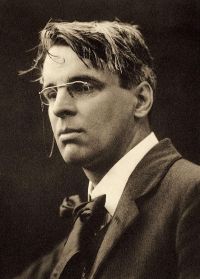
Portrait of W. B. Yeats W. B. Yeats,  Synge and the Ireland of His Time

“ The cadence is long and meditative, as befits the thought of men who are much alone, and who when they meet in one another's houses--as their way is at the day's end--listen patiently, each man speaking in turn and for some little time, and taking pleasure in the vaguer meaning of the words and in their sound. Their thought, when not merely practical, is as full of traditional wisdom and extravagant pictures as that of some Aeschylean chorus, and no matter what the topic is, it is as though the present were held at arms length. ”
Source: Gutenberg

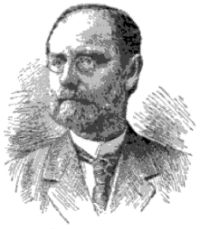
Portrait of Percy Goetschius Percy Goetschius,  Lessons in Music Form

“ CADENCES IN GENERAL.—A cadence is the ending of a phrase. Strictly speaking, every interruption or "break" between figures, and between all melodic members, is a cadence; but the term "cadence" is applied to nothing smaller than entire phrases.
The cadence is the point of Repose which creates the necessary contrast with the condition of Action that prevails more or less constantly during the phrase; and the effect of this point of repose is, therefore, to separate one phrase from the next.
”
Source: Gutenberg

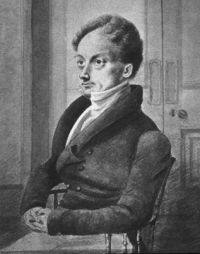
Portrait of William Whewell William Whewell,  Novum organon renovatum (1858)

“ Of the Supreme Cause.—In the utterance of Science, no cadence is heard with which the human mind can feel satisfied. Yet we cannot but go on listening for and expecting a satisfactory close. The notion of a cadence appears to be essential to our relish of the music. The idea of some closing strain seems to lurk among our own thoughts, waiting to be articulated in the notes which flow from the knowledge of external nature. ”
Source: Gutenberg

Get perspective with Kwize: daily news enlightened by great literature