Summary

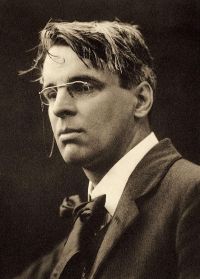
Portrait of W. B. Yeats W. B. Yeats Synge and the Ireland of His Time

To speak of one's emotions without fear or moral ambition, to come out from under the shadow of other men's minds, to forget their needs, to be utterly oneself, that is all the Muses care for. Villon, pander, thief, and man-slayer, is as immortal in their eyes, and illustrates in the cry of his ruin as great a truth as Dante in abstract ecstasy, and touches our compassion more. All art is the disengaging of a soul from place and history, its suspension in a beautiful or terrible light, to await the Judgement, and yet, because all its days were a Last Day, judged already.
Source: Gutenberg

Portrait of W. B. Yeats W. B. Yeats Synge and the Ireland of His Time

It often seemed to me that when he spoke Ireland herself had spoken, one got that sense of surprise that comes when a man has said what is unforeseen because it is far from the common thought, and yet obvious because when it has been spoken, the gate of the mind seems suddenly to roll back and reveal forgotten sights and let loose lost passions. I have never heard him speak except in some Irish literary or political society, but there at any rate, as in conversation, I found a man whose life was a ceaseless reverie over the religious and political history of Ireland.
Source: Gutenberg

Portrait of W. B. Yeats W. B. Yeats Synge and the Ireland of His Time

He loves all that has edge, all that is salt in the mouth, all that is rough to the hand, all that heightens the emotions by contest, all that stings into life the sense of tragedy; and in this book, unlike the plays where nearness to his audience moves him to mischief, he shows it without thought of other taste than his. It is so constant, it is all set out so simply, so naturally, that it suggests a correspondence between a lasting mood of the soul and this life that shares the harshness of rocks and wind.
Source: Gutenberg

Get perspective with Kwize: daily news enlightened by great literature