Summary

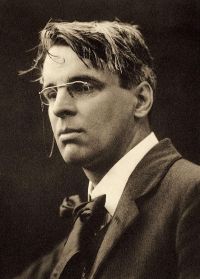
Portrait of W. B. Yeats W. B. Yeats The Cutting of an Agate

When we have drunk the cold cup of the moon’s intoxication, we thirst for something beyond ourselves, and the mind flows outward to a natural immensity; but if we have drunk from the hot cup of the sun, our own fulness awakens, we desire little, for wherever one goes one’s heart goes too; and if any ask what music is the sweetest, we can but answer, as Finn answered, ‘What happens.’ And yet the songs and stories that have come from either influence are a part, neither less than the other, of the pleasure that is the bride-bed of poetry.
Source: Gutenberg

Portrait of W. B. Yeats W. B. Yeats The Cutting of an Agate

The poet must not seek for what is still and fixed, for that has no life for him; and if he did, his style would become cold and monotonous, and his sense of beauty faint and sickly, as are both style and beauty to my imagination in the prose and poetry of Newman, but be content to find his pleasure in all that is for ever passing away that it may come again, in the beauty of woman, in the fragile flowers of spring, in momentary heroic passion, in whatever is most fleeting, most impassioned, as it were, for its own perfection, most eager to return in its glory.
Source: Gutenberg

Portrait of W. B. Yeats W. B. Yeats The Cutting of an Agate

Because poetry belongs to that element in every race which is most strong, and therefore most individual, the poet is not stirred to imaginative activity by a life which is surrendering its freedom to ever new elaboration, organisation, mechanism. He has no longer a poetical will, and must be content to write out of those parts of himself which are too delicate and fiery for any deadening exercise. Every generation has more and more loosened the rhythm, more and more broken up and disorganised, for the sake of subtlety of detail, those great rhythms which move, as it were, in masses of sound.
Source: Gutenberg

Get perspective with Kwize: daily news enlightened by great literature