Antecedent

Definition and stakes

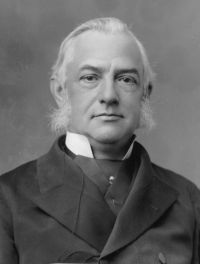
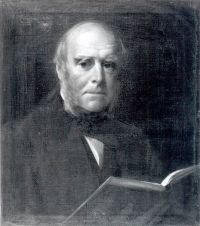
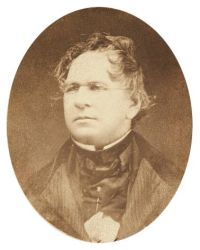
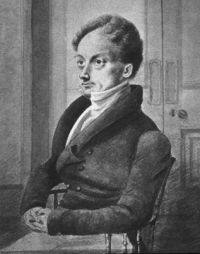
Portrait of James Mill James Mill,  Analysis of the Phenomena of the Human Mind

“ From this, it necessarily follows, that between none of our ideas is the association more intimate and intense, than between antecedent and consequent, in the order of events. Whenever we perceive an event, the mind instantly flies to its antecedent. I hear words in the street; event: some one, of course, is making them; antecedent. My house is broken, and my goods are gone; event: a thief has taken them; antecedent. This is that remarkable case of association, in which the combination is inseparable; a case of so much importance in explaining some of the more mysterious phenomena of thought. ”
Source: Gutenberg

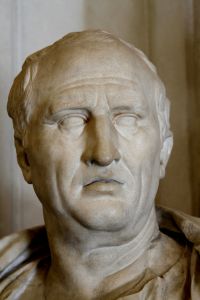
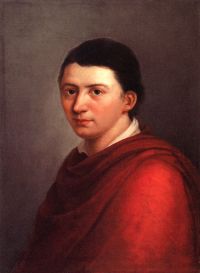
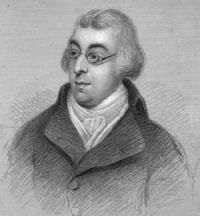
Portrait of Aristotle Aristotle,  Rhetoric

“ And when the end is possible, so also is the beginning; for all things arise from a beginning. And if that which is subsequent in being or generation can come into being, so then can that which is antecedent; for instance, if a man can come into being, so can a child, for the child is antecedent; and similarly, if a child can come into being, so can a man, for the child is a beginning. ”
Source: Wikisource

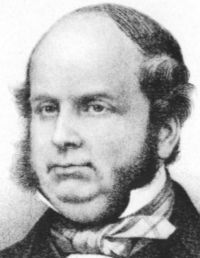
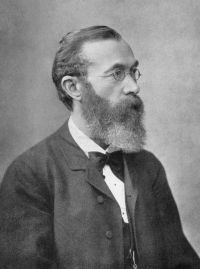
Portrait of F. Max Müller F. Max Müller,  India: What can it teach us?

“ As a child when growing up might ask his father or grandfather who had built the house they lived in, or who had cleared the field that yielded them their food, we ask the historian whence we came, and how we came into possession of what we call our own. History may tell us afterward many useful and amusing things, gossip, such as a child might like to hear from his mother or grandmother; but what history has to teach us before all and everything, is our own antecedents, our own ancestors, our own descent. ”
Source: Gutenberg

Get perspective with Kwize: daily news enlightened by great literature