Chronicle

Definition and stakes

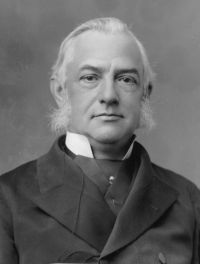
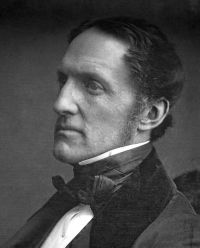
Portrait of Thomas Henry Huxley Thomas Henry Huxley,  Popular Science Monthly (1883)

“ I say history, in the modern sense of the word, that is, not barely a chronicle of events and record of current traditions or venerable myths, but a narrative based upon evidence which has been critically sifted, and in which the narrator endeavors to trace, amid the tangled occurrences of human life, the thread of natural causation which connects them with the needs and the passions of men. The chronicler is more or less of a gossip, the historian more or less of a man of science. ”
Source: Wikisource

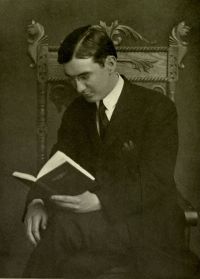
Portrait of Raffaello Piccoli Raffaello Piccoli,  Benedetto Croce: An Introduction to His Philosophy

“ The true distinction between history and chronicle is not, therefore, a literary or material one, but a distinction between forms of spiritual activity: history is the living consciousness, and, therefore, an act of thought or knowledge; chronicle is the dead record, which we preserve by a mere act of will, because we know that some day the dead record itself may come back to life, transform itself again, under an impulse rooted not in the past but in the present, into a living thought. ”
Source: Gutenberg

Get perspective with Kwize: daily news enlightened by great literature