“ If Livia will be now corrupted, then Thou hast the way, Sejanus, to work out His secrets, who, thou know’st, endures thee not, Her husband, Drusus: and to work against them. Prosper it, Pallas, thou that better’st wit; For Venus hath the smallest share in it. Enter Tiberius and Drusus, attended. TIBERIUS. [to Haterius, who kneels to him.] We not endure these flatteries; let him stand; Our empire, ensigns, axes, rods and state Take not away our human nature from us: Look up on us, and fall before the gods. SEJANUS. How like a god speaks Cæsar! ARRUNTIUS. There, observe! ”
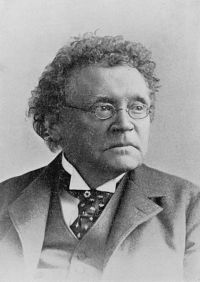
Ben Jonson
Biographical details

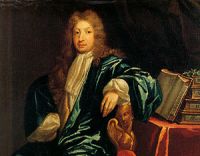
Ben Jonson (1572–1637), an English playwright, poet, and actor, stands as a pivotal figure in the Renaissance and Jacobean eras. Renowned for his satirical comedies of humours, his works such as Every Man in His Humour (1598), Volpone (1606), The Alchemist (1610), and Bartholomew Fair (1614) expose human folly with sharp wit and classical learning.
A lyric poet of note, his verses combine epigrammatic precision with philosophical depth. Regarded as the foremost dramatist after Shakespeare under James I, Jonson’s legacy endures through his innovative stagecraft and lasting critiques of societal vanities.
Quotes by Ben Jonson
 Ben Jonson,
Bartholomew Fair: A Comedy
Ben Jonson,
Bartholomew Fair: A Comedy
“ What pity ’tis yonder wench should marry such a Cokes!Winw. ’Tis true.Quar. She seems to be discreet, and as sober as she is handsome.Winw. Ay, and if you mark her, what a restrained scorn she casts upon all his behaviour and speeches!Cokes. Well, Numps, I am now for another piece of business more, the Fair, Numps, and then—Waspe. Bless me! deliver me! help, hold me! the Fair!Cokes. Nay, never fidge up and down, Numps, and vex itself. I am resolute Bartholomew in this; I’ll make no suit on’t to you; ’twas all the end of my journey indeed, to shew mistress Grace my Fair. ”
Ben Jonson,
Every Man out of His Humour
“ Who feeds with a good name? who thrives with loving? Who can provide feast for his own desires, With serving others? — ha, ha, ha! 'Tis folly, by our wisest worldlings proved, If not to gain by love, to be beloved. CAR. How like you him? is't not a good spiteful slave, ha? PUNT. Shrewd, shrewd. CAR. D—n me! I could eat his flesh now; divine sweet villain! MACI. Nay, prithee leave: What's he there? CAR. Who? this in the starched beard? it's the dull stiff knight Puntarvolo, man; he's to travel now presently: he has a good knotty wit; marry, he carries little on't out of the land with him. ”