Praxiteles

Definition and stakes

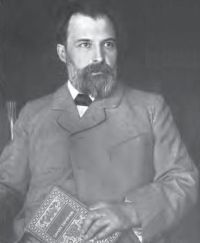
Portrait of Walter Pater Walter Pater,  Greek Studies: a Series of Essays

“ But quite of the school of Praxiteles is the general character of the composition; the graceful waving of the hair, the fine shadows of the little face, of the eyes and lips especially, like the shadows of a flower—a flower risen noiselessly from its dwelling in the dust—though still with that fulness or heaviness in the brow, as of sleepy people, which, in the delicate gradations of Greek sculpture, distinguish the infernal deities from their Olympian kindred. ”
Source: Gutenberg

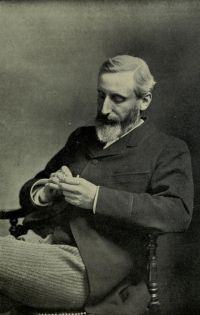
Portrait of Thomas Bulfinch Thomas Bulfinch,  Bulfinch's Mythology: The Age of Fable

“ Other Aphrodites, the draped statue of Cos among them, and several statues of Eros, representing tender, effeminate youths, illustrate further the departure which Praxiteles marks from the restraint of Pheidias. Another of his masculine figures is the graceful Apollo with the Lizard. The god, strong in his youthful suppleness, is leaning against a tree threatening with his darts a small lizard which is seeking to climb up. Still another type of masculine grace left us by Praxiteles is his statue of the Satyr, of which a copy exists in the Capitoline Museum. ”
Source: Gutenberg

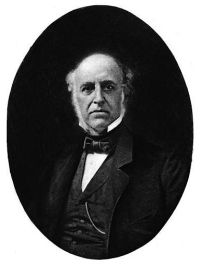
Ernest Henry Short,  A History of Sculpture

“ What the sculpture of Hellenistic Greece lacks is the passionate enthusiasm for emotional and intellectual beauty which impressed the personality of such a man as Praxiteles upon his age, and made him not [Pg 100] only a sculptor of note but a cosmic force. Praxiteles found sculptural expression for new loves and new hates. This is the power which creates a school. It is the absence of men possessed of this faculty, together with the absence of the new loves and hates themselves, which the historian of Hellenistic Greek sculpture must explain. ”
Source: Gutenberg

Get perspective with Kwize: daily news enlightened by great literature