Thracians

Definition and stakes

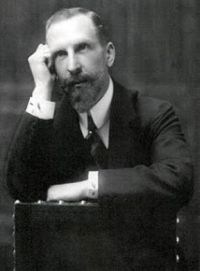
Portrait of Franz Cumont Franz Cumont The Oriental Religions in Roman Paganism

Seeing the creeks descend in noisy foaming cascades, or hearing the roaring of steers in the uplands and the strange sounds of the wind-beaten forests, the Thracians thought they heard the voice and the calls of the lord of that empire, and imagined a god who was fond of extravagant leaps and of wild roaming over the wooded mountains. This conception inspired their religion, for the surest way for mortals to ingratiate themselves with a divinity was to imitate him, and as far as possible to make their lives resemble his.
Source: Gutenberg

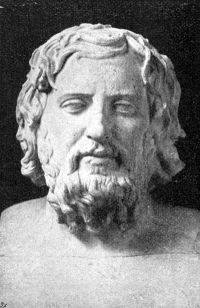
Portrait of Thucydides Thucydides History of the Peloponnesian War…

The Thracians bursting into Mycalessus sacked the houses and temples, and butchered the inhabitants, sparing neither youth nor age, but killing all they fell in with, one after the other, children and women, and even beasts of burden, and whatever other living creatures they saw; the Thracian race, like the bloodiest of the barbarians, being even more so when it has nothing to fear.
Source: Wikisource

Portrait of Andrew Lang Andrew Lang Homer and His Age

But in this recent lay (say of the eighth or seventh century) the poet describes the Thracians as on a level of civilisation with the Achaeans, and, indeed, as even more luxurious, wealthy, and refined in the matter of good horses, glorious armour, and splendid chariots. But, by the time of the Persian wars, says Helbig, the Thracians were regarded by the Greeks as rude barbarians, and their military equipment was totally un-Greek. They did not wear helmets, but caps of fox-skin. They had no body armour; their shields were small round bucklers; their weapons were bows and daggers.
Source: Gutenberg

Get perspective with Kwize: daily news enlightened by great literature