Megabazus

Definition and stakes

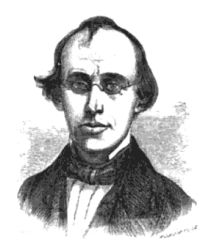
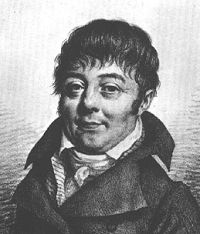
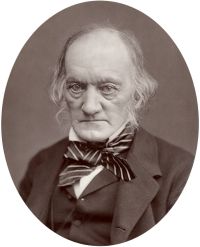
Portrait of Richard Owen Richard Owen,  The zoology of the voyage of H.M.S. Beagle… (1839)

“ It is nevertheless quite possible that such may exist, but that it is disguised by the faulty manner in which the skeleton is put up. It strikes me as little probable that two animals which agree so well in the principal particulars of their organization should differ so much in one of the most important. The Megatherium has been proved by later discoveries to possess the same powerful tail as the Megalonyx, and as it corresponds also with the latter entirely in the conformation of its extremities, the same difficulties present themselves against the supposition of its having been a burrower. ”
Source: Gutenberg

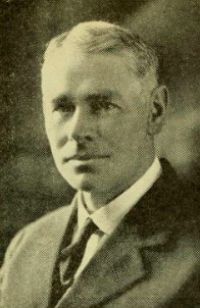
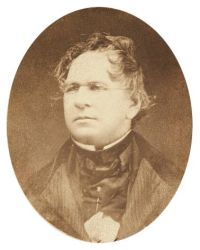
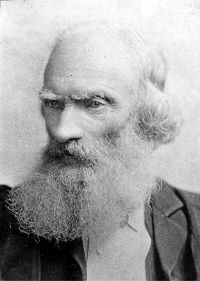
Portrait of Sir Daniel Wilson Sir Daniel Wilson,  Prehistoric man

“ In the post-pleiocene formations of South Carolina, exposed along the bed of the Ashley River, remains of the megatherium, megalodon, and other gigantic extinct mammals occur, not only associated with existing species peculiar to the American continent, but also apparently with others, hitherto believed to have been domesticated and introduced for the first time by modern European colonists. But more interesting for our present purpose, as possibly indicating the contemporaneous existence of some of those strange mammals with man, are notices of remains of human art in the same formation. ”
Source: Gutenberg

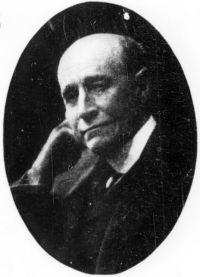
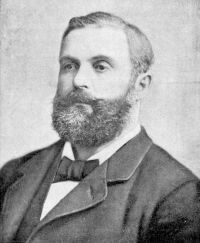
Portrait of Cornelius Mathews Cornelius Mathews,  The Indian Fairy Book: From the Original Legends

“ For a stripling, Manabozho was uncommonly wide-awake. Every new sight he beheld in the heavens was a subject of remark; every new animal or bird, an object of deep interest; and every sound that came from the bosom of nature, was like a new lesson which he was expected to learn. He often trembled at what he heard and saw.
To the scene of the wide open prairie his grandmother sent him at an early age to watch. The first sound he heard was that of the owl, at which he was greatly terrified, and, quickly descending the tree he had climbed, he ran with alarm to the lodge. "Noko! noko!
”
Source: Gutenberg

Get perspective with Kwize: daily news enlightened by great literature