Carnivore

Definition and stakes

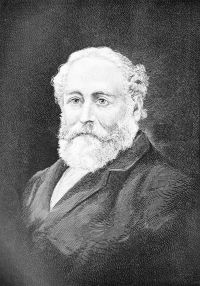
Portrait of Herbert Spencer Herbert Spencer,  The Principles of Biology, Volume 2… (1899)

“ We may, however, fairly draw a parallel between Man and a large carnivore. The Lion, superior in size, and perhaps equal in activity, has a digestive system not proportionately greater; and yet has a higher rate of multiplication than Man. Here the only decided want of parity, besides that of organization, is that of food. Possibly a carnivore gains an advantage in having a surplus nutriment consisting almost wholly of those nitrogenous materials from which the bodies [466] of young ones are mainly formed. ”
Source: Gutenberg

Portrait of Herbert Spencer Herbert Spencer,  The Principles of Biology, Volume 1…

“ The small carnivore preying on small herbivores, can increase in size only by small increments: its organization unfitting it to digest larger creatures, even if it can kill them, it cannot profit by amounts of nutriment exceeding a narrow limit; and its possible increments of growth being small to set out with, and rapidly decreasing, must come to an end before any considerable size is attained. ”
Source: Gutenberg

Various,  Popular Science Monthly (1888)

“ Examined in this respect, the food ordinarily made use of by mammals may be roughly divided into five classes—fruits, insects, flesh, grass, and hard foods—and these have led to the formation of the five great orders: primates, insectivores, carnivores, ungulates, and rodents. The importance of these food characteristics in modifying mammals may be seen when it is stated that these five orders, with the bats, which are flying insectivores, contain five sixths of the mammalian species and probably more than nineteen twentieths of all the individuals of the class. ”
Source: Wikisource

Get perspective with Kwize: daily news enlightened by great literature