Omnivore

Definition and stakes

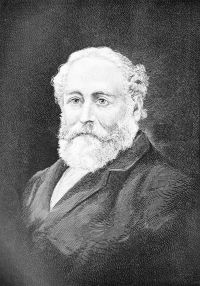
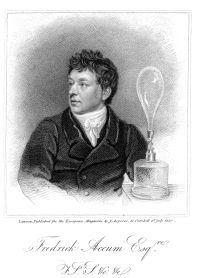
Portrait of Friedrich Christian Accum Friedrich Christian Accum,  Culinary Chemistry

“ Those of the Linnæan order, glires, [4] live on grain and fruits; each order of birds, keeps, in the same manner, to one sort of food, animal or vegetable. Fishes, reptiles, and insects, also have each their peculiar and exclusive bill of fare, beyond which even hunger will scarcely force them to wander. But however various each class, and order, and species of animated nature may be in the choice of food, man—all-devouring man, will embrace the whole range of the creation, “scarce a berry or a mushroom can escape him.” ”

Source: Gutenberg

Portrait of Friedrich Christian Accum Friedrich Christian Accum,  Culinary Chemistry

“ No animal eats such variety of food as man; he claims, more justly than any other creature, the title of omnivorous! for since he is distinguished beyond all animals, but the capability of living in the most distant parts of the globe, under every variety of climate which the earth affords, his food could not be confined exclusively to either the vegetable or animal kingdom, because he inhabits regions that afford aliments widely different from each other. Cattle content themselves with green vegetables; [7] rapacious animals live on the flesh of other creatures. ”
Source: Gutenberg

Edward Smith,  Popular Science Monthly (1873)

“ But, in completing the circle, the vegetable receives from the animal the air which was thrown out in respiration, and lives and grows upon it, and at length the animal itself, in whole or in part, and the refuse which it daily throws off, become the food of the vegetable. Even the very bones of an animal are by the aid of Nature or man made to increase the growth of vegetables, and really to enter into their structure; and, being again eaten, animals may be said to eat their own bones and live on their own flesh. ”
Source: Wikisource

Get perspective with Kwize: daily news enlightened by great literature