Jethro Tull’s Horse-hoeing Husbandry (1733), a pioneering agricultural treatise, promotes innovative farming techniques centered on the use of horse-drawn hoes to till the soil, highlighting the importance of earth as the primary source of nourishment for plants. Tull challenges conventional methods by asserting that roots, much like animal digestive systems, absorb nutrients directly from the soil, making excessive manure or complicated fertilization unnecessary.
His approach, which involves forming ridges and reducing seed waste, seeks to enhance crop output with less labor and expense, especially for wheat. Through careful observation, Tull portrays plants as self-sustaining organisms, their development reliant on soil quality and adequate aeration, thereby establishing a foundation for agrarian science. The work’s lasting significance stems from its empirical method of improving agricultural efficiency through structured, soil-focused practices.
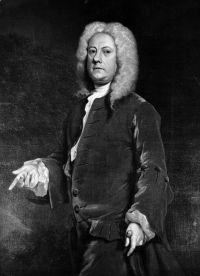 Jethro Tull,
Horse-hoeing husbandry
Jethro Tull,
Horse-hoeing husbandry
