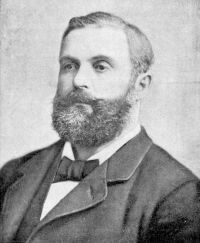
The plough, an ancient agricultural tool essential to human survival, symbolizes both labor and the enduring connection between humanity and the earth. From Ernest Young’s reflective portrayal of the ploughman as an extension of the landscape to Thomas Keightley’s enchanting story of a magical plough, writers have examined its utility, mythological significance, and poetic majesty.
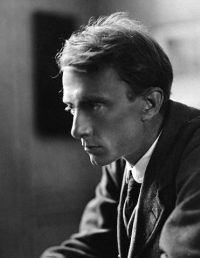
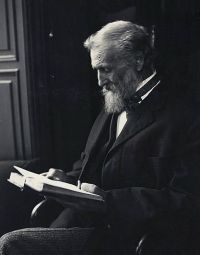
Edward Thomas praises its dignified cadence, while John Muir highlights its relationship with nature’s endurance. Whether as a sign of effort or a means of cultivation, the plough represents the interaction between human creativity and the earth’s rhythms, reflecting themes of farming, terrain, and the fundamental forces that support life.