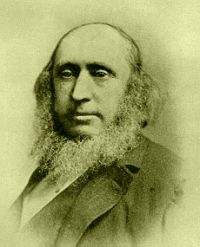
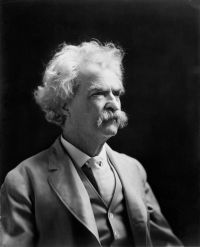
A spade, a tool characterized by a narrow, flat blade and a long handle, has long been essential for excavation and moving earth, evolving from wooden or bone implements to metal versions that improved efficiency. Beyond its practical function, the spade has inspired a wide range of literary interpretations. Francis Hopkinson Smith viewed it as a symbol of labor, while Montague Rhodes James incorporated it into a surreal vision of uncovering hidden objects.
Manly P. Hall connected it to anatomical and esoteric imagery, and R. Brimley Johnson used it as a metaphor for truthful communication. These differing perspectives highlight the spade’s dual nature—as both a functional object and a multifaceted symbol in literature—reflecting human effort, curiosity, and the relationship between physical and figurative digging.
 Francis Hopkinson Smith,
Outdoor Sketching
Francis Hopkinson Smith,
Outdoor Sketching