The acre, a unit of land area central to the British imperial and U.S. customary systems, has historically symbolized agricultural output and territorial measurement. From medieval definitions of plowable land to its modern metric counterparts, the acre continues to hold significance in both legal and cultural spheres.
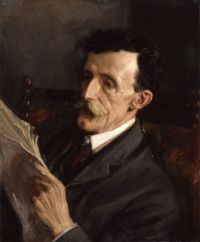
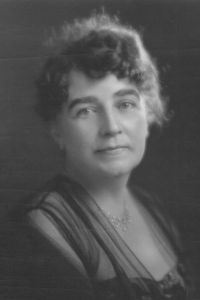
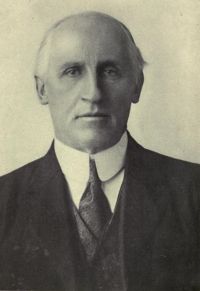
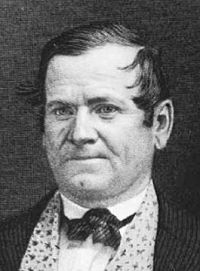
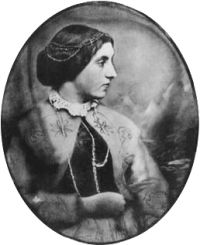
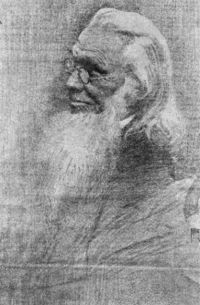
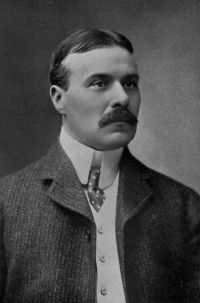
Authors like Henry Wadsworth Longfellow imbued it with spiritual meaning in God's-Acre, while George Washington Cable and Edward Payson Roe examined its practical aspects in cultivation and landscaping. Frederic William Maitland analyzed its historical divisions, highlighting its role in medieval land management. These diverse viewpoints emphasize the acre’s dual role as a technical standard and a metaphor for human engagement with the land, its importance remaining intact despite efforts to adopt the metric system.
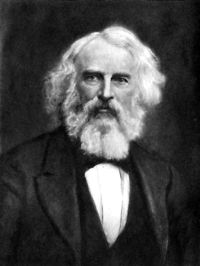 Henry Wadsworth Longfellow,
God's-Acre
Henry Wadsworth Longfellow,
God's-Acre