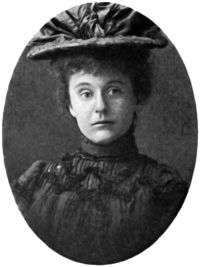
Frances Theodora Parsons

Biographical details

Portrait of Frances Theodora Parsons Frances Theodora Parsons,  How to Know the Ferns

“ To me the greatest charm the ferns possess is that of their surroundings. No other plants know so well how to choose their haunts. If you wish to know the ferns you must follow them to Nature's most sacred retreats. In remote, tangled swamps, overhanging the swift, noiseless brook in the heart of the forest, close to the rush of the foaming waterfall, in the depths of some dark ravine, or perhaps high up on mountain-ledges, where the air is purer and the world wider and life more beautiful than we had fancied, these wild, graceful things are most at home. ”
Source: Gutenberg

Portrait of Frances Theodora Parsons Frances Theodora Parsons,  How to know the wild flowers (1893)

“ Few if any of our native plants add more to the beauty of the midsummer landscape than the milkweeds, and of this family no member is more satisfying to the color-craving eye than the gorgeous butterfly-weed, whose vivid flower-clusters flame from the dry sandy meadows with such luxuriance of growth as to seem almost tropical. Even in the tropics one hardly sees anything more brilliant than the great masses of color made by these flowers along some of our New England railways in July, while farther south they are said to grow even more profusely. ”
Source: Gutenberg

Portrait of Frances Theodora Parsons Frances Theodora Parsons,  Plants and their children (1896)

“ Whenever you look at a flower, I want you to remember that its bright flower leaves will soon fade and fall, and that its stamens will lose their pollen and wither away, but that the pistil or pistils will remain, turning at last into the ripened fruit,—the fruit which is the end, the aim, the object, of the plant’s life. ”
Source: Gutenberg

Get perspective with Kwize: daily news enlightened by great literature