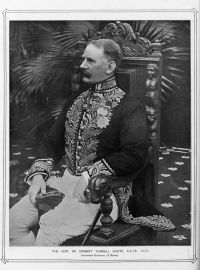
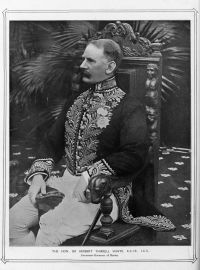
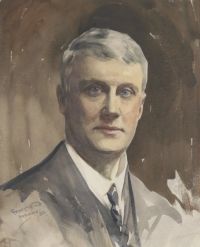
Burma, primarily a geographical and cultural entity, has been examined through various literary perspectives, especially by British writers who recorded its landscapes, people, and colonial governance. From H. Fielding’s reflection on Burma’s tranquil monks amid conflict to Sir Herbert Thirkell White’s admiration for its welcoming population and rich soil, these narratives reveal differing views on the region’s identity and colonial importance.
R. Talbot Kelly underscores its remote geography, while Winston and Fryer discuss its economic and strategic worth to the Empire. Collectively, these accounts portray Burma as a land of striking contrasts—both a gem of the British Crown and a complex, mysterious frontier.