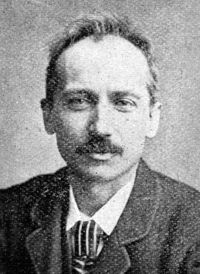
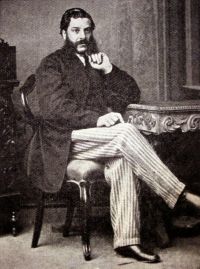
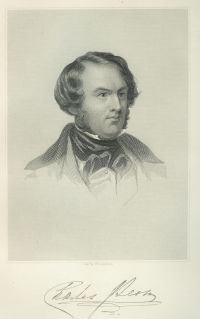
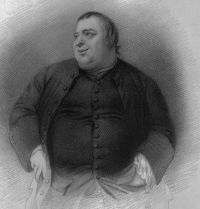
The greave, a part of medieval armor intended to safeguard the leg, appears in literary works both as a tangible object and a symbolic motif. From Kenneth Grahame’s portrayal of spring’s revitalizing energy in The Wind in the Willows to Charles Wareing Endell Bardsley’s etymological analysis of surnames such as “Greaves” as references to woodland trails, the term moves between practical and figurative domains.
Writers like William Clark Russell and Algis Budrys invest it with narrative significance, connecting it to character legacies and imaginative quests. At the same time, Virgil and Jean-Henri Fabre indirectly highlight its cultural impact through themes of defense and the natural world. This duality—armor’s functional purpose and its linguistic development—reveals the greave as both a bodily shield and a carrier of historical memory.