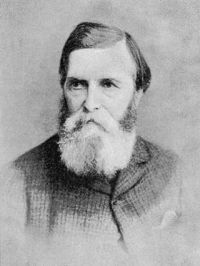
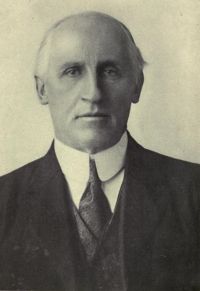
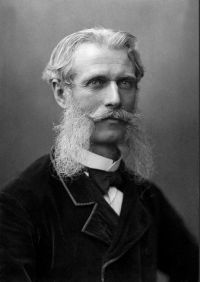
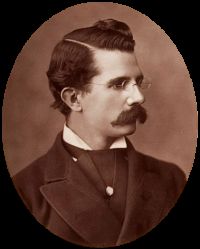
Restlessness, described as the absence of calm, tranquility, or relaxation, appears as a condition of discomfort, frequently associated with mental or physical tension. Writers have long examined this theme from diverse viewpoints: Mary Wollstonecraft linked it to intellectual engagement and emotional solitude, while Timothy Shay Arthur illustrated its temporary relief through sleep.
Charles Dickens associated it with internal conflict in need of resolution, and P. G. Wodehouse portrayed it as an inherent, unshakable aspect of personality. These viewpoints highlight restlessness as a complex experience, interwoven with psychological depth, physical exhaustion, and the human quest for balance.
 Mary Wollstonecraft,
Posthumous Works of Mary Wollstonecraft
(1798)
Mary Wollstonecraft,
Posthumous Works of Mary Wollstonecraft
(1798)