Summary

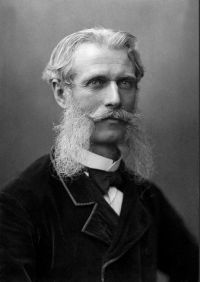
Portrait of Karl Hilty Karl Hilty Happiness: Essays on the meaning of life (1903)

Thus the true life calls for a certain severity of dealing, as if one should say to himself: “You may like to do this thing, or you may not like to do it, but you must do it”; and true education rests on these two foundation stones,—love of truth and courage for the right. Without them, education is worthless. It is like the kingdom of God which is to be taken by violence, “And the violent take it with force.” And thus, of all the human qualities which lead to happiness, certainly the most essential is courage.
Source: Gutenberg

Portrait of Karl Hilty Karl Hilty Happiness: Essays on the meaning of life (1903)

The true spirit of work, which has no time for superfluities, but time enough for what is right and true, grows best in the soil of that philosophy which sees one’s work extending into the infinite world, and one’s life on earth as but one part of life itself. Then one gets strength to do his highest tasks, and patience among the grave difficulties and hindrances which confront him both within himself and in the times in which he lives. One is calmly indifferent to much which in the sight of this world alone may seem important, but which, seen in the light of eternity, loses significance.
Source: Gutenberg

Portrait of Karl Hilty Karl Hilty Happiness: Essays on the meaning of life (1903)

Indeed, the imagination has found no better name for a future and happier existence than a state of eternal rest. If work, then, is necessary, and rest is the cessation of work, then the saying—“In the sweat of thy face shalt thou eat bread”—is indeed a bitter curse and this earth is a “vale of tears.” In every generation there are but few who can on such terms be said to lead a worthy or a human life; and even these can do so only by dooming other human beings to the curse of work and by holding these others fast bound in its slavery.
Source: Gutenberg

Get perspective with Kwize: daily news enlightened by great literature