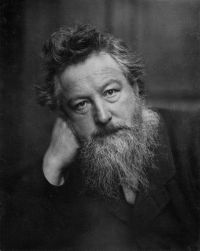
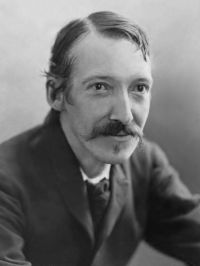
Idleness refers to a condition of inactivity or absence of effortful engagement, often associated with cultural notions of wasted time or moral weakness. While physics and computing define it objectively as the absence of energy transfer or utilization, human idleness has historically been viewed negatively, especially in Western societies, where it is connected to vice or social unrest. However, thinkers such as Bertrand Russell praised its benefits, portraying it as a counterweight to excessive productivity, while writers like Robert Louis Stevenson and William Morris illustrated it as a purposeful, even enriching, state of repose.
From La Rochefoucauld’s reflection on idleness as a “magic charm” to Shelley’s ethical struggle over sustaining “useless” existence, the theme highlights a conflict between societal judgment and personal freedom. Contemporary reinterpretations, as seen in works like How to Be Idle, present it as a philosophy of liberation, emphasizing its dual function as both a critique of work’s dehumanizing effects and a tribute to life’s unproductive, yet deeply human, moments of pause.