The concept of want encompasses both the absence of something desired and the psychological drive to obtain it, weaving together themes of desire, need, and purpose. Authors have long examined its subtleties: George Eliot associated it with a motivating force, while F. Scott Fitzgerald depicted it as an all-consuming, singular obsession.
Ralph Waldo Emerson cautioned against the broad reach of want, and Henry George viewed it as a force propelling moral advancement. Philosophers such as Cora May Williams differentiated want as a type of desire unbound by suffering, while F. H. Bradley contended that all wants ultimately express self-identity. These diverse viewpoints reveal want as both an individual necessity and a reflection of society, influencing human behavior and ambition.
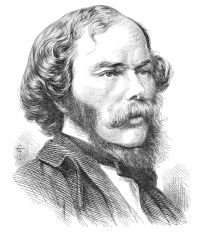
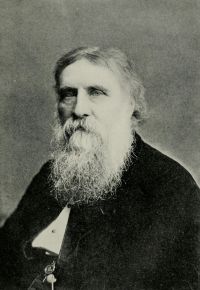 George MacDonald,
The Elect Lady
George MacDonald,
The Elect Lady