Virgil

Definition and stakes

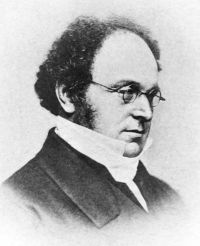
Portrait of Augustus De Morgan Augustus De Morgan,  A Budget of Paradoxes — Introductory (1872)

“ Since Virgil was afterwards a Bishop and a Saint, we may fairly conclude that he died in the full flower of his orthodox reputation. It has been supposed—and it seems probable—that Virgil maintained that the earth is peopled all the way round, so that under some spots there are antipodes; that his contemporaries, with very dim ideas about the roundness of the earth, and most of them with none at all, interpreted him as putting another earth under ours—turned the other way, probably, like the second piece of bread-and-butter in a sandwich, with a sun and moon of its own. ”
Source: Wikisource

W. Y. Sellar,  The Roman Poets of the Augustan Age…

“ Yet there is a kind of material force and greatness in Virgil’s conception, and a consistency not with ideal truth but with visible facts. The ideal truth of Sophocles—the idea of final purification and reconcilement of a noble human nature with the divine nature—is not manifest in the world: it is only in harmony with the best hopes and aspirations of men. Virgil’s idea was the shadow of the great fact apparent in his age,—the vast, inevitable, omnipotent, unsympathetic power of the Roman empire. ”
Source: Gutenberg

Portrait of Andrew Lang Andrew Lang,  Letters to Dead Authors

“ None of the Latin poets your fellows, or none but Virgil, seem to me to have known so well as you, Horace, how happy and fortunate a thing it was to be born in Italy. You do not say so, like your Virgil, in one splendid passage, numbering the glories of the land as a lover might count the perfections of his mistress. But the sentiment is ever in your heart and often on your lips. ”
Source: Gutenberg

Get perspective with Kwize: daily news enlightened by great literature