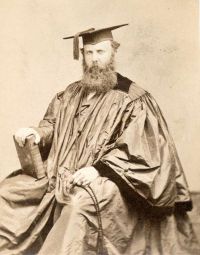
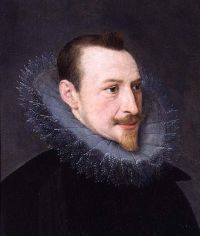
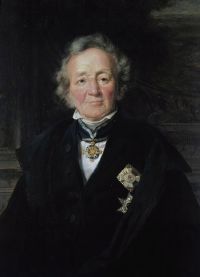
Edmund Spenser

Definition and stakes

John W. Hales,  A Biography of Edmund Spenser

“ There is nothing to justify the theory that the Edmund Spenser of the register was the poet. It is simply incredible that Spenser, one who, as has been said, poured out all his soul in his poems, should have wooed and won some fair lady to his wife, without ever a poetical allusion to his courtship and his triumph. It is not at all likely, as far as one can judge from their titles, that any one of his lost works was devoted to the celebration of any such successful passion. ”
Source: Gutenberg

John W. Hales,  A Biography of Edmund Spenser

“ Among his "Epitaphs and Sonnets" are two other pieces of verse addressed to the same person.' To the year 1569 belongs that mention referred to above of payment made one 'Edmund Spenser' for bearing letters from France. As has been already remarked, it is scarcely probable that this can have been the poet, then a youth of some seventeen years on the verge of his undergraduateship. The one certain event of Spenser's life in the year 1569 is that he was then entered as a sizar at Pembroke Hall, Cambridge. ”
Source: Gutenberg

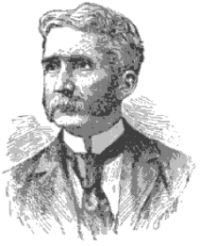
Portrait of James Baldwin James Baldwin,  Six Centuries of English Poetry…

“ Edmund Spenser was born in London about the year 1552. He was educated at Merchant Taylor's school, and in 1569 went to Cambridge University, where he entered Pembroke Hall as a sizar. In the same year his first poetical performances—translations from Petrarch and Du Bellay—were published in a miscellaneous collection without the name of the author. At the University he was zealously devoted to the study of Latin and Greek literature, and there he made the acquaintance of several students who afterwards became men of note. ”
Source: Gutenberg

Get perspective with Kwize: daily news enlightened by great literature