Lucretius

Definition and stakes

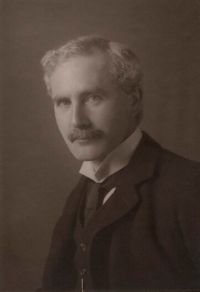
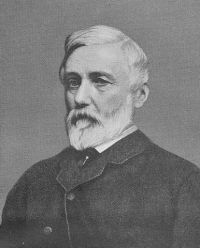
W. Y. Sellar,  The Roman Poets of the Republic…

“ The height from which Lucretius contemplates all human history, as 'a procession of the nations handing on the torch of life from one to another,' is wide apart from that from which Virgil beholds all the nations of the world doing homage to the majesty of Rome. The poem of Lucretius breathes the spirit of a man, apparently indifferent to the ordinary sources of pleasure and of pride among his countrymen. Living in an era, the most momentous in its action on the future history of the world, he was only repelled by its turbulent activity. ”
Source: Gutenberg

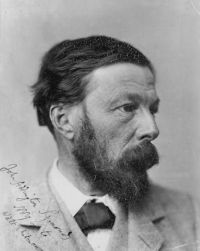
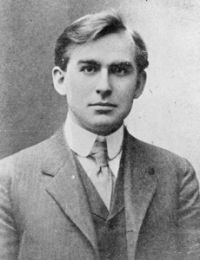
Portrait of C. H. Herford C. H. Herford,  Shakespeare's treatment of love & marriage… (1921)

“ For the voice of Lucretius is here a distinctive, almost a solitary voice. The poets for the most part have been the weavers of the veil of dreams and visions in whose glamour the races of mankind have walked: but here came a poet, and one of the greatest, who rent the veil asunder and bade men gaze upon the nature of things naked and unadorned. And his austere chaunt of triumph as he pierces illusion and scatters superstition, has in it something more poignant and thrilling than many a song of voluptuous ecstacy or enchanted reverie. ”
Source: Gutenberg

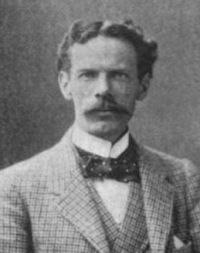
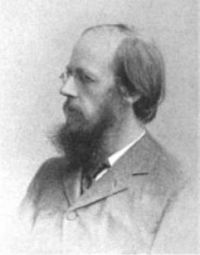
Portrait of George Santayana George Santayana,  Three Philosophical Poets: Lucretius…

“ For this reason Lucretius, who sees human life and human idealism in their natural setting, has a saner and maturer view of both than has Wordsworth, for all his greater refinement. Nature, for the Latin poet, is really nature. He loves and fears her, as she deserves to be loved and feared by her creatures. Whether it be a wind blowing, a torrent rushing, a lamb bleating, the magic of love, genius achieving its purpose, or a war, or a pestilence, Lucretius sees everything in its causes, and in its total career. ”
Source: Gutenberg

Get perspective with Kwize: daily news enlightened by great literature