Ovid

Definition and stakes

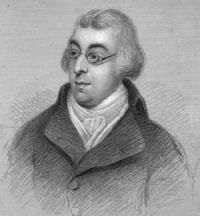
R. W. Browne,  A History of Roman Classical Literature

“ Ovid was popular as a poet, successful in society, and possessed all the enjoyments which wealth can bestow. He had a villa and estate in his native Sulmo, a house on the Capitoline hill, and suburban gardens, celebrated for their beauty. At some period of his life he travelled with Macer into Asia and Sicily; and, in his exile, recalls to mind with sorrowful pleasure the magnificent cities of the former, and the sublime scenery and classic haunts of the latter. ”
Source: Gutenberg

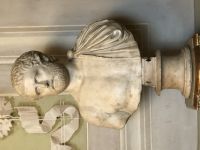
Portrait of Suetonius Suetonius,  The Lives of the Twelve Caesars…

“ No poet is more guided in versification by the nature of his subject than Ovid. In common narrative, his ideas are expressed with almost colloquial simplicity; but when his fancy glows with sentiment, or is animated by objects of grandeur, his style is proportionably elevated, and he rises to a pitch of sublimity.
No point in ancient history has excited more variety of conjectures than the banishment of Ovid; but after all the efforts of different writers to elucidate the subject, the cause of this extraordinary transaction remains involved in obscurity.
”
Source: Gutenberg

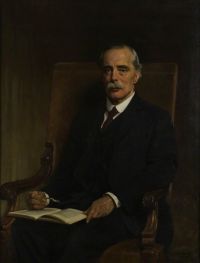
Portrait of Isaac Disraeli Isaac Disraeli,  Amenities of Literature

“ His commonplaces and his legendary lore seem to have awed the simplicity of the readers of two centuries, whose taste did not yet feel that failure of the poet who narrated a fable from Ovid with the dull prolixity of a matter-of-fact chronicler. His fictions are rarely imaginative; yet critics, far abler judges of his relative merits than ourselves, since they lived within the sphere of his influence, hailed this grave father of our poesy. ”
Source: Gutenberg

Get perspective with Kwize: daily news enlightened by great literature