Summary

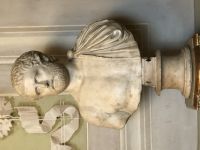
Portrait of Ovid Ovid Ars Amatoria; or, The Art Of Love

What, wretched man, art thou about? 'Tis no wild beast; keep still thy weapons. Ah wretched me! by thy dart has the fair been pierced. "Ah me!" she cries aloud, "a loving heart hast thou pierced. That spot has ever retained the wound inflicted by Cephalus. Before my time I die, but injured by no rival; this, O Earth, will make thee light when I am entombed. Now is my breath departing in the breeze that I had thus suspected; I sink, alas! close my eyes with those dear hands."
In his sorrowing bosom he supports the dying body of his spouse, and with his tears he bathes her cruel wounds.
Source: Gutenberg

Portrait of Ovid Ovid Ars Amatoria; or, The Art Of Love

She will not come to you gliding through the yielding air; the fair one that suits must be sought with your eyes. The hunter knows full well where to extend the toils for the deer; full well he knows in what vale dwells the boar gnashing with his teeth. The shrubberies are known to the fowlers. He who holds out the hooks, knows what waters are swam in by many a fish. You, too, who seek a subject for enduring love, first learn in what spot the fair are to be met with. In your search, I will not bid you give your sails to the wind, nor is a long path to be trodden by you, that you may find her.
Source: Gutenberg

Portrait of Ovid Ovid Ars Amatoria; or, The Art Of Love

Shun a rival; so long as you alone shall possess him, you will be the conqueror. Both sovereignties and love do not last long with one to share in them. The other, the veteran soldier, will love you gradually, and with moderation; and he will put up with much that will not be endured by the novice. He will neither break down your door-posts, nor burn them with raging flames; nor will he fly at the tender cheek of his mistress with his nails. He will neither tear his own clothes, nor yet the clothes of the fair; nor will her torn locks be a cause for grieving.
Source: Gutenberg

Get perspective with Kwize: daily news enlightened by great literature