Sophocles

Definition and stakes

James Augustus St. John,  The History of the Manners and Customs of Ancient Greece… (1842)

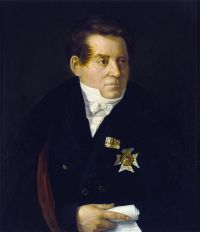
“ Sophocles presents us with a wholly different type of genius. His conceptions, without being gigantic, are still great, and have a richness and roundness something like the form of woman. To him, as to Raffaelle, the world appeared pregnant on all sides with beauty. Yet, there was a vein of pensiveness in his fancy which, running through all his works, imparts to them a witchery independent of the amount of intellect displayed. He never, like Æschylus, transports us into the dim twilight of mythology amidst the nodding ruins of systems and creeds. ”
Source: Gutenberg

J. C. Lawson,  Modern Greek Folklore and Ancient Greek Religion…

“ When I find in Sophocles the same thought, almost the same words, which may be gathered to-day from the lips of any unlettered lament-maker the whole Greek world over, I am compelled by my conviction of the continuity of all things Greek to believe that Sophocles adapted to his own use a thought which in his time even as now was uttered in many a funeral-dirge, and that while the phrases of the Antigone gained in his hands a new lustre from the pathos of their setting, they themselves were not new nor the invention of Sophocles’ genius, but an old heritage of the Greek race. ”
Source: Gutenberg

John Lord,  The Old Roman World : the Grandeur and Failure of Its Civilization

“ Sophocles had every element of character and person which fascinated the Greeks: beauty of person, symmetry of form, skill in gymnastics, calmness and dignity of manner, a cheerful and amiable temper, a ready wit, a meditative piety, a spontaneity of genius, an affectionate admiration for talent, and patriotic devotion to his country. ”
Source: Gutenberg

Get perspective with Kwize: daily news enlightened by great literature