Euripides

Definition and stakes

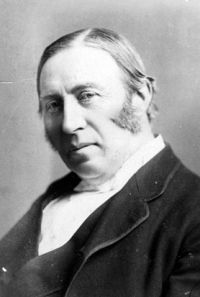
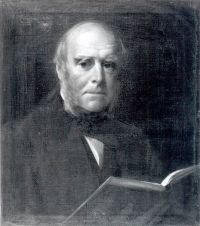
Portrait of William Bodham Donne William Bodham Donne,  Euripides (1872)

“ Is there any improbability in supposing Euripides, a man of the new era, to have viewed the grim though picturesque stories of the old and waning times as inconsistent with the bright, free, and intelligent Athens in which he dwelt? The pupil of Anaxagoras and Prodicus might well regard a people as little beyond the verge of barbarism for whom the priest was the philosopher, whose heroes yet strove with wild beasts, who trembled at the phenomena of nature, and among whom ignorance generally prevailed. ”
Source: Wikisource

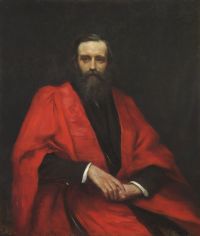
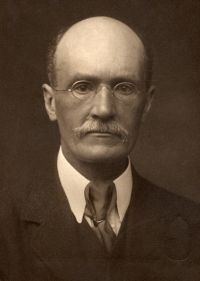
Portrait of Gilbert Murray Gilbert Murray,  Euripides and His Age (1913)

“ Memory, according to Greek legend, was the mother of the Muses; and the "memory" of which Euripides is thinking is that of the race, the saga of history and tradition, more than his own. The Muses taught him long ago their mystic dance, and he will be theirs for ever; he will never from weariness or faint heart ask them to rest. He was thinking doubtless of the lines of the old poet Alcman to his dancing maidens, lines almost the most beautiful ever sung by Greek lips: "No more, ye maidens honey-throated, voices of longing; my limbs will bear me no more. ”
Source: Wikisource

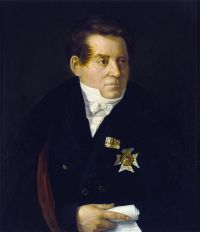
Littell's Living Age — Volume 159…

“ To the thoughtful observer human life must necessarily appear at first sight sad, and Euripides is the master of pathos. No poet ever drew more tears. With ready imaginative sympathy he has felt deeply the vicissitudes of the human lot, approached it under all its varying conditions. His touch lays bare the beatings of the human heart, and strikes the chord of every passion and affection. ”
Source: Wikisource

Get perspective with Kwize: daily news enlightened by great literature