Pathos

Definition and stakes

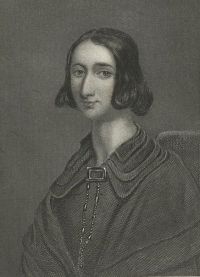
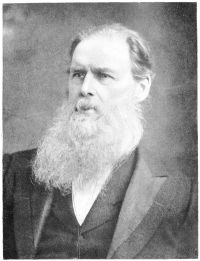
Portrait of Friedrich Schiller Friedrich Schiller,  Aesthetical Essays of Friedrich Schiller

“ Now this force comes from sublime emotions, and a frequent commerce with destructive nature. Pathos is a sort of artificial misfortune, and brings us to the spiritual law that commands our soul. Real misfortune does not always choose its time opportunely, while pathos finds us armed at all points. By frequently renewing this exercise of its own activity the mind controls the sensuous, so that when real misfortune comes, it can treat it as an artificial suffering, and make it a sublime emotion. Thus pathos takes away some of the malignity of destiny, and wards off its blows. ”
Source: Gutenberg

Portrait of Daniel Defoe Daniel Defoe,  A Journal of the Plague Year (1722)

“ But when I am speaking of the Plague, as a Distemper arising from natural Causes, we must consider it as it was really propagated by natural Means, nor is it at all the less a Judgment for its being under the Conduct of humane Causes and Effects; for as the divine Power has form’d the whole Scheme of Nature, and maintains Nature in its Course; so the same Power thinks fit to let his own Actings with Men, whether of Mercy or Judgment, go on in the ordinary Course of natural Causes, and he is pleased to act by those natural Causes as the ordinary Means ”
Source: Wikisource

Get perspective with Kwize: daily news enlightened by great literature