Eclogues

Definition and stakes

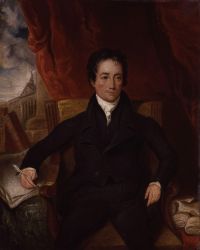
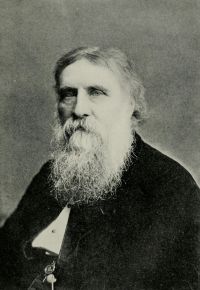
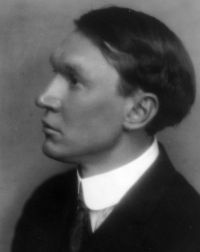
Portrait of J. W. Mackail J. W. Mackail,  Latin Literature

“ Alike to the humanists of the earlier Renaissance, who found in them the sunrise of a golden age of poetry and the achievement of the Latin conquest over Greece, and to the more recent critics of this century, for whom they represented the echo of an already exhausted convention and the beginning of the decadence of Roman poetry, the Eclogues have been the real turning-point, not only between two periods of Latin literature, but between two worlds. ”

Source: Gutenberg

W. Y. Sellar,  The Roman Poets of the Augustan Age…

“ The objections often urged against the poetical value of the Eclogues may be admitted. They are imitative in form. They do not reproduce scenes and characters from actual life, nor are they consistent creations of the imagination. They do not possess the interest arising from a contemplative insight into the hidden workings of Nature, nor from reflection on the problems of life. ”
Source: Gutenberg

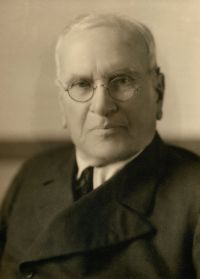
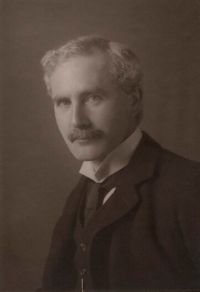
Portrait of Edward Albert Edward Albert,  A history of English literature (1923)

“ The title, adopted from a popular compilation of the day, suggests the contents: a series of twelve eclogues, one for each month of the year. Each eclogue, as is common with the species, is in dialogue form, in which the stock pastoral characters, such as Cuddie, Colin Clout, and Perigot, take part. The pieces, though they are of no great poetical merit, served as excellent poetical exercises, for they range widely in meter, contain much skillful alliteration, and juggle with the conventional phrases of the pastoral. ”
Source: Gutenberg

Get perspective with Kwize: daily news enlightened by great literature